
Balance, imbalance and the open
Day types, range extension, and what the first thirty minutes tells you about the rest.
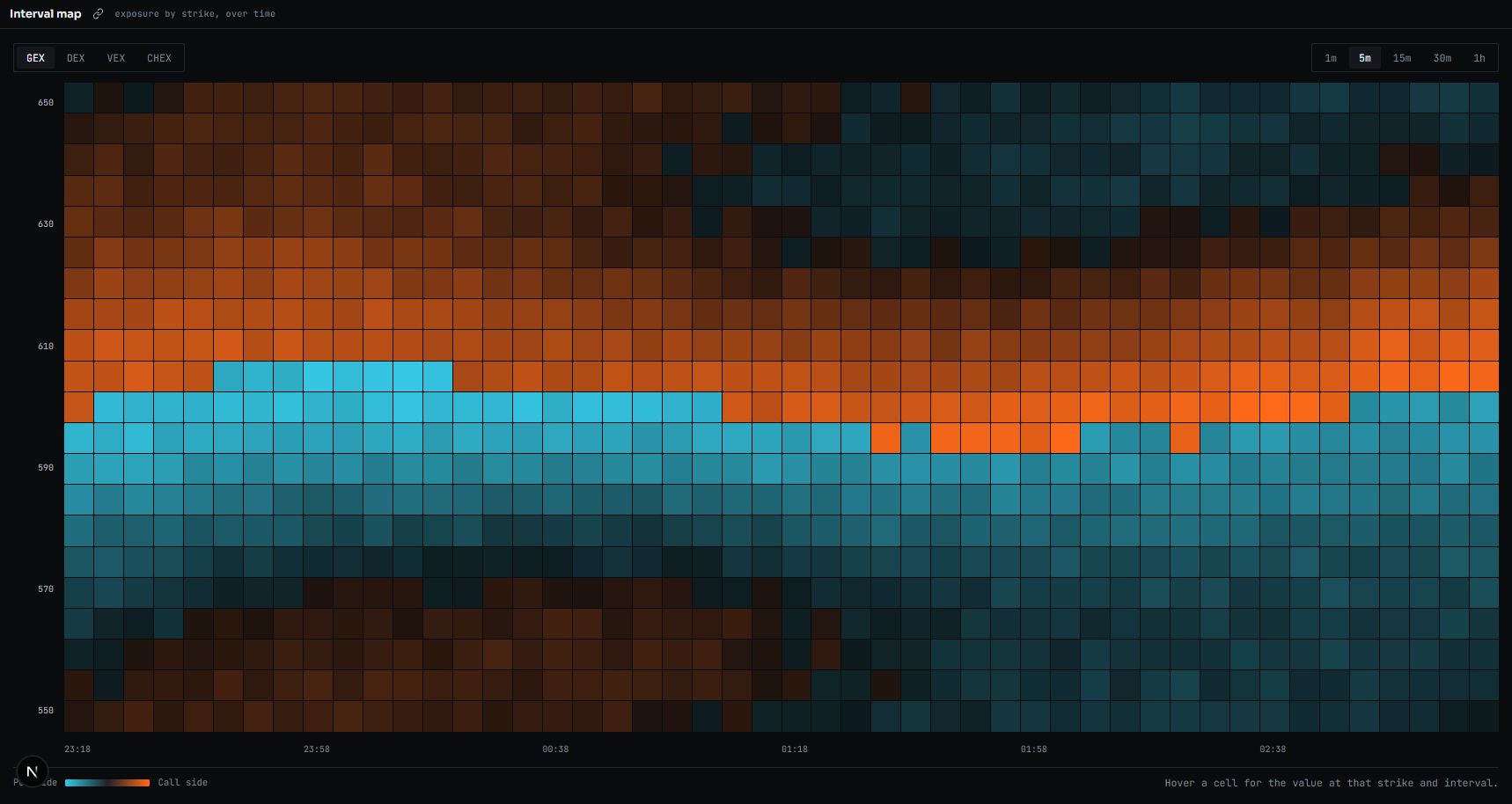
Markets alternate between two states: balance, where buyers and sellers agree on value and price rotates, and imbalance, where one side is wrong and price travels to find the other. Almost every profile concept — day types, range extension, initiative versus responsive trade — is a way of asking which state you are in and whether it is changing.
The open shows its hand early
An open-drive leaves the opening print in one direction and never looks back — conviction that arrived before the bell, and the strongest signal a session gives. An open-test-drive probes one side first, fails, then drives the other way, leaving a clean invalidation behind it. An open-auction rotates around the open with no conviction at all, and usually delivers a balanced day.
None of this is mystical: the open is when overnight decisions meet the day’s liquidity. How that collision resolves in the first half hour sets the odds for everything after.
Initiative or responsive
Trade pushing away from yesterday’s value is initiative — someone paying up to move price to a new area. Trade fading back toward value is responsive — participants defending the old consensus. Label every extension one way or the other and trends stop looking random: a real breakout is initiative trade that keeps finding acceptance; a failed one is initiative trade swallowed by responsive sellers.
Where positioning slots in
Regime and day type rhyme. Balanced days cluster in positive gamma, where hedging leans against every rotation; trend days cluster in negative gamma, where hedging extends them. When the profile says balance but gamma has flipped negative, be suspicious of the balance — the suspension under the market has changed even if the shape has not yet.
Sources and further reading
The research this guide leans on. Citations rather than links, so they stay verifiable after journal URLs move.
- Dalton, J.F., Jones, E.T. and Dalton, R.B. (1990). Mind Over Markets. Traders Press.
- Steidlmayer, J.P. and Koy, K. (1986). Markets and Market Logic. Porcupine Press.
- Kyle, A.S. (1985). Continuous Auctions and Insider Trading. Econometrica 53(6).